
Key Takeaways
- Termites cause more than $5 billion in property damage across the U.S. every year – and standard homeowners insurance policies almost never cover it.
- Termite damage is designed by nature to stay hidden; infestations can quietly eat away at a home’s structure for years before any visible sign appears.
- Both subterranean and drywood termites hide in different spots and leave different clues, which is why a trained eye makes all the difference.
- Waiting for visible damage is one of the costliest mistakes a homeowner can make – early professional intervention saves thousands.
Most homeowners picture termite damage as chewed-up wood or obvious holes in the walls. The reality is far more unsettling – and far more expensive. By the time damage becomes visible, termites have often been working for months, sometimes years, completely out of sight.
$5 Billion a Year – And Your Insurance Won’t Cover It
Termites cost Americans more than $5 billion in property damage every single year. That number comes directly from industry data, and it doesn’t include the emotional toll of discovering your home’s structural integrity has been quietly compromised. What makes it worse? Nearly every standard homeowners insurance policy excludes termite damage entirely, classifying it as a preventable maintenance issue rather than a sudden loss.
That means every dollar spent repairing floors, beams, walls, and foundations comes straight out of a homeowner’s pocket. No claims to file, no adjusters to call – just repair bills that can run from a few thousand dollars to well over $10,000 depending on how long the infestation went undetected.
Termites Destroy From the Inside Out
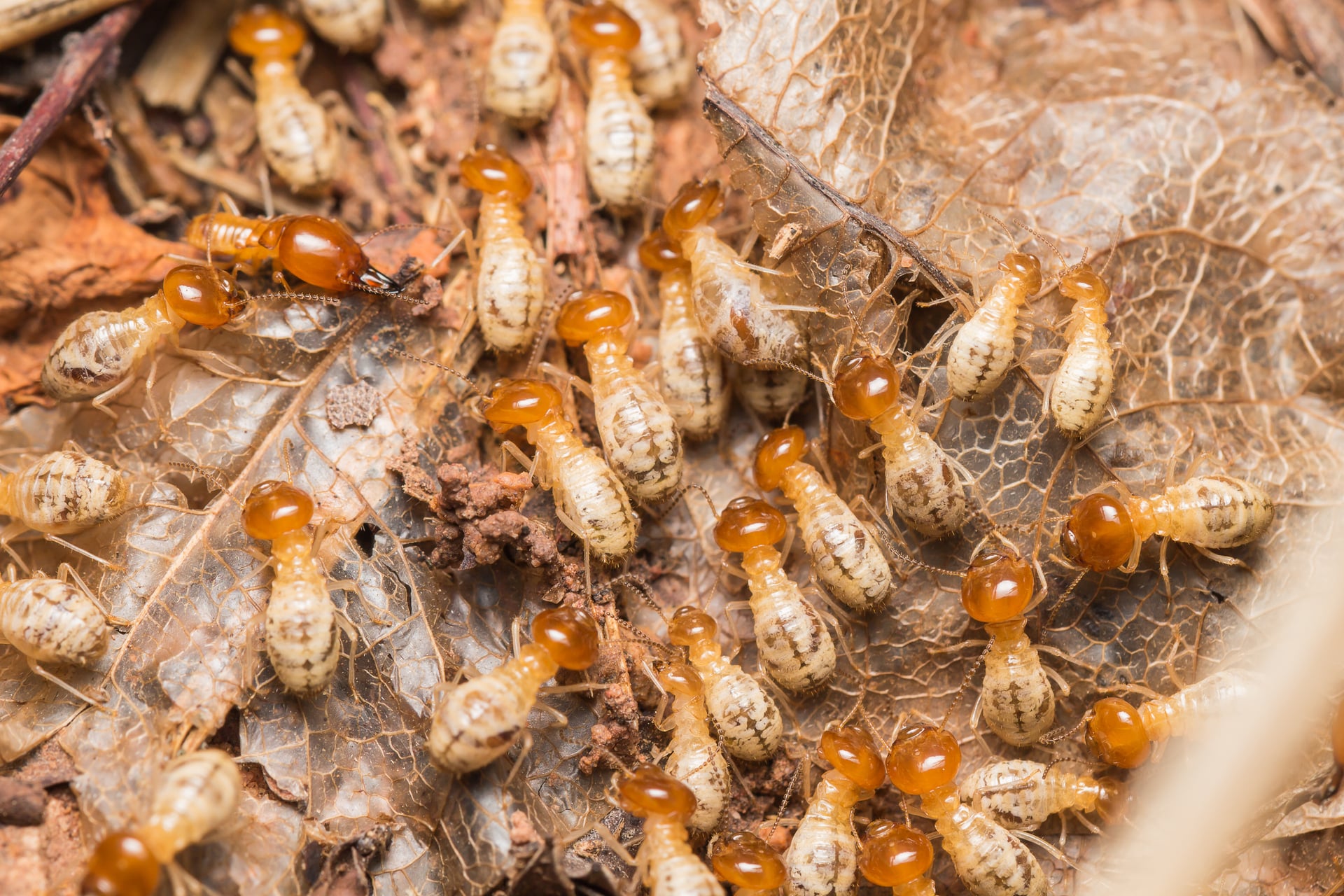
The phrase “silent destroyers” accurately describes how termites operate. Colonies can contain thousands to millions of individual insects, working around the clock and feeding continuously on cellulose-based materials found in wood, paper, and plant fibers. A home is essentially a buffet.
Wood Isn’t the Only Target
Many homeowners assume termites only go after exposed lumber. In reality, termites can travel through plaster, metal siding, and other non-wood materials to reach interior targets. Once inside, they feed on cabinets, flooring, ceilings, and wooden furniture – anything with cellulose. Homes built from alternative materials aren’t automatically safe.
Why Damage Goes Undetected for Years
Termites feed from the inside out, consuming wood while leaving the outer surface intact. A beam or floorboard can look perfectly normal while being almost entirely hollowed out underneath. Because there’s no external sign, homeowners have no reason to investigate – and the colony keeps growing. Subterranean termites, the most destructive species in the U.S., also travel through underground tunnels, staying out of sight even during transit between nest and food source.
Hidden Damage That Looks Like Something Else
One of the most disorienting aspects of termite damage is how convincingly it mimics other household problems. Homeowners often spend money addressing the wrong issue before termites are ever suspected.
Mistaken for Water Damage
According to Orkin, outward signs of termite activity can include buckling wood, swollen floors and ceilings, and areas that appear to be suffering from slight water damage. Some infestations even produce a scent similar to mildew or mold. Homeowners call plumbers, roofers, and water restoration companies – only to find the real culprit is a termite colony hidden in the walls.
Subterranean vs. Drywood: Different Hiding Spots
The two most common termite types hide in very different places, which changes what to look for entirely.
- Subterranean termites live underground in loose, damp soil and build mud tubes made from saliva, soil, and feces to travel up into a structure’s foundation. These mud tunnels are one of their most identifiable signs – but they’re usually found in crawl spaces, basements, or along exterior foundation walls where most homeowners rarely look.
- Drywood termites build colonies directly inside the wood they’re consuming – inside walls, furniture, and structural members. Their infestations often only become apparent through signs like wood veneer cracking or visible maze-like tunnels, indicating that significant structural damage has already occurred.
Warning Signs Homeowners Overlook
Knowing what to look for can mean the difference between catching an early-stage infestation and dealing with catastrophic structural damage. Most of the signs are easy to dismiss or misattribute.
Structural Red Flags
- Doors and windows that suddenly stick or no longer close properly
- Floors that feel spongy, soft, or bounce slightly underfoot
- Ceilings or walls with unexplained bubbling, warping, or sagging
- Mud tubes along the foundation, basement walls, or crawl space supports
- Discarded wings near windowsills or doorways after a termite swarm
Subtle Clues Inside Walls and Floors
Beyond structural signs, termites leave behind smaller, easier-to-miss evidence. Frass – termite droppings that resemble tiny wood-colored pellets – can sometimes be found near baseboards or below wall-mounted fixtures. Tapping on wood that sounds hollow when it should be solid is another red flag. Paint that bubbles or cracks along walls with no obvious moisture source is often written off as an aging home quirk – but that assumption can be costly.
The Real Cost of Waiting
Every month a termite infestation goes untreated, the damage compounds. A small colony grows, the tunneling expands, and what could have been a targeted treatment becomes a full structural repair project.
Property Value at Stake
Virginia-based experts from Connor’s Pest Pros explain that termite damage – and even a history of termite infestation – can significantly impact a home’s resale value. Buyers and inspectors look for evidence of past activity, and disclosure requirements in most states mean sellers must report known infestations. Homes with documented termite damage often sell at a discount, and in some cases, real estate deals fall apart entirely when termite issues surface during inspection. Preventive termite control, by contrast, is a documented protection that can support a home’s market value and buyer confidence.
The financial math is straightforward: professional termite treatment costs a fraction of structural repair. Waiting for visible damage before acting is one of the most expensive decisions a homeowner can make.
Why Professional Control Outperforms DIY
Shelf-bought termite sprays and foam treatments address only what’s visible on the surface. Termite colonies are hidden, complex, and spread across areas that require more than a can of spray to reach. DIY approaches typically offer temporary or partial relief – not elimination.
Detection Equipment Makes the Difference
Professional pest control specialists use tools that simply aren’t available to the average homeowner. Moisture meters, acoustic detection devices, and thermal imaging cameras allow inspectors to identify termite activity inside walls, under flooring, and in structural members without tearing anything apart. Infestations are found earlier, treated more precisely, and confirmed as eliminated – not just reduced.
Long-Term Prevention Methods
Beyond eliminating an active colony, professional termite control focuses on making a structure inhospitable to future infestations. Common long-term strategies include:
- Soil treatments that form a chemical barrier around the foundation perimeter
- Bait systems that are placed in the ground and actively eliminate colonies at their source
- Wood treatments applied to vulnerable structural areas
- Moisture control solutions that reduce the damp conditions subterranean termites prefer
These aren’t one-time fixes – they’re layered defenses that dramatically lower the risk of reinfestation over time.
Don’t Wait for Visible Damage – Contact A Pro Today
Termite damage doesn’t announce itself. It builds quietly, behind walls and under floors, until the repair costs make themselves known all at once. The smartest move any homeowner can make is to act before there’s something obvious to react to. A professional inspection costs far less than a structural repair, and the peace of mind that comes with knowing a home is protected has real, lasting value.
Visible damage is never the starting point – it’s the ending point of an infestation that had plenty of time to grow unchecked. Don’t let it get there.
Connor’s Pest Pros
5410 Port Royal Rd
Springfield
VA
22151
United States


