
Plumbers in Houston, TX, discuss what slab leaks are, signs that can indicate them, and their common causes.
Houston, United States – June 30, 2026 / IGD Plumbing & Air /
Slab Leak Basics Explained
A slab leak is one of those plumbing problems that starts quietly beneath the surface and grows into something far more serious before most homeowners ever realize it is there. Understanding what causes them, how to recognize them, and what puts a home at risk is the kind of knowledge that can prevent a minor plumbing issue from turning into a major structural repair. The more familiar a homeowner becomes with the basics of slab leaks, the better positioned the household is to catch problems early and act before significant damage is done.
What Are Slab Leaks?
A slab leak occurs when a pipe beneath a home’s concrete foundation develops a leak, allowing water to seep into the ground directly under the structure that supports the entire home. The concrete slab that most homes are built upon is not just a floor surface; it is the structural base that keeps everything above it stable and level. When water begins to escape from a pipe embedded beneath or within that slab, the moisture has nowhere to go but outward, where it gradually works its way into the foundation itself, the flooring above, and eventually the walls.
The damage that follows an undetected slab leak is rarely limited to one area of the home. Water moving through soil beneath a foundation can erode the ground support beneath the slab, causing the foundation to shift, crack, or settle unevenly over time. What begins as a small pipe leak can quietly compromise the structural integrity of an entire home if left without attention for too long.
Slab leaks can affect both hot and cold water lines running beneath the foundation, and either type presents its own set of concerns for the home above. Hot water line leaks tend to produce warmer spots on the floor surface and can accelerate the breakdown of materials around the pipe. Cold water line leaks, while sometimes slower to show visible signs, still carry the same potential for long-term foundational and water damage if not identified and repaired in time.
Signs of a Slab Leak
 One of the earliest and most telling signs of a slab leak is the appearance of dark, damp spots on the surface of the foundation or the flooring directly above it. Water migrating upward from a leaking pipe beneath the slab will eventually saturate the material above it, leaving visible moisture that should not be there under normal circumstances. Alongside those damp spots, a persistent musty odor throughout the home often signals that moisture has been sitting in an enclosed space long enough to promote mold or mildew growth.
Cracks appearing in the foundation, walls, or flooring are another sign that something may be happening beneath the surface. As water erodes the soil support beneath the slab, the foundation can begin to shift or settle, and that movement creates stress fractures in the structure above. Homeowners who also notice spots on the floor that feel warm to the touch, or who hear the sound of running water when no fixtures are in use, should take those observations seriously as potential indicators of a slab leak.
A sudden and unexplained increase in the monthly water bill is one of the more financially noticeable signs that water is escaping somewhere it should not be. Low water pressure from faucets and fixtures throughout the home can accompany that billing spike, as the leak is diverting water before it ever reaches its destination. Any combination of these signs warrants a prompt call to a licensed plumber who can assess whether a slab leak is the source of the problem.
Common Causes of a Slab Leak
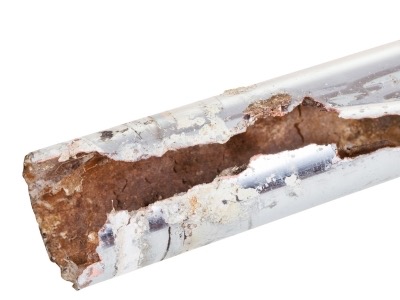 Pipe corrosion is one of the leading causes of slab leaks, particularly in older homes where the plumbing lines beneath the foundation have been in place for decades. As pipes age, the materials they are made from gradually break down from the inside out, creating weak points where leaks eventually form. Copper and galvanized steel pipes are especially vulnerable to this kind of deterioration over time, making aging plumbing infrastructure a significant risk factor for slab leaks.
Shifting soil beneath the foundation is another common contributor, as the ground underneath a home is rarely as static as it appears. Expansive clay soils, drought conditions, heavy rainfall, and even nearby construction can cause the earth beneath a slab to move, placing stress on the pipes embedded within or below it. That constant pressure and movement can cause pipes to crack, separate at joints, or wear down at contact points where the pipe rubs against the concrete or surrounding soil.
Excessive water pressure within the plumbing system is a factor that often goes unnoticed until the damage is already done, since high pressure stresses pipe walls and connections with every passing day. Scheduling routine plumbing maintenance and inspections is one of the most effective ways to stay ahead of these risks, as a licensed plumber can identify corroded pipes, measure water pressure, and address any conditions that are moving toward a slab leak before one actually develops. Catching these issues during a maintenance visit is far less costly than addressing the full scope of a slab leak repair after a foundation has already been compromised.
About IGD Plumbing & Air
IGD Plumbing & Air is a family-owned and operated plumbing and HVAC solutions company serving Houston, TX, and beyond. They offer flat-rate pricing, same-day service, and top-notch customer service. Call them today for emergency leak repair in Houston, TX.


Contact Information:
IGD Plumbing & Air
4715 Strack Rd
Houston, TX 77069
United States
Ivelina Dimitrov
https://www.igdplumbing.com/


