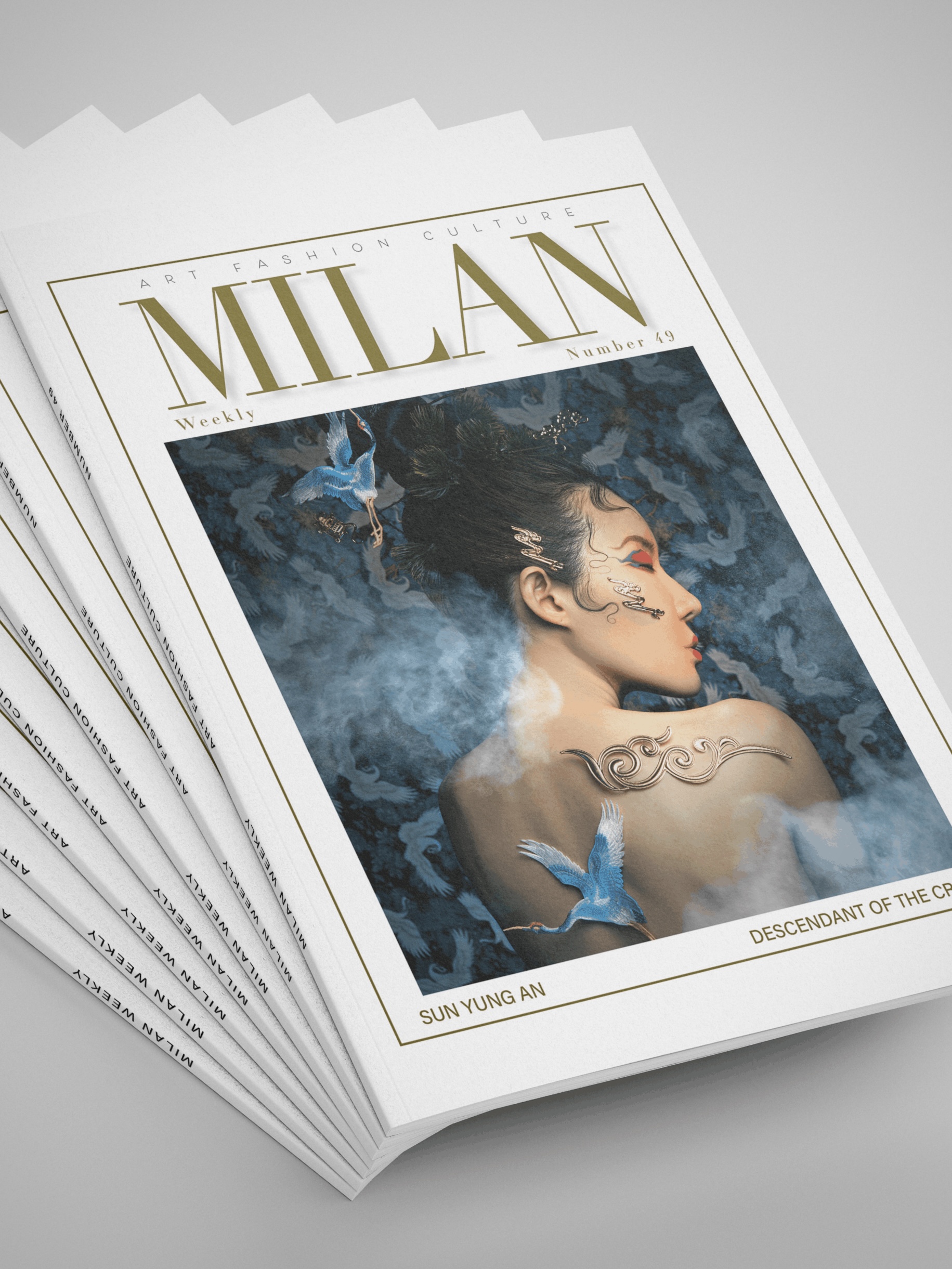
Los Angeles, California May 8, 2026 (Issuewire.com) Between fashion, journalism, and editorial memory, the sequel surprises audiences with an unexpected tribute to a niche publication: an elegant detail that says far more than it seems. This new movie chooses to go beyond glamour and entertainment, addressing current and profound themes connected to fashion publishing, journalism, the value of print media, and the delicate balance between creativity and industry. The movie succeeds in portraying with clarity the contemporary condition of magazines, trade publications, and that editorial world which for decades represented a cultural and stylistic point of reference. In an era dominated by digital speed and the declining authority of traditional publications, the sequel presents a necessary discussion: preserving art, fashion, serious journalism, and all the human effort that has built the machinery of print and magazines.
Among the many hidden gems scattered throughout the film, one in particular stands out for its elegance and significance. In a scene set in the hotel room of Anne Hathaways character (Andy) while shes on the phone shortly before the Runway event where Gaga appears the direction creates a visually powerful moment. The camera moves with almost tunnel-like precision, guiding the viewer toward the narrative climax through a carefully orchestrated motion.
It is precisely in that moment that the most attentive eye discovers a surprising detail. On the rooms coffee table appears a single additional magazine. And the choice is anything but predictable. It is not one of the globally recognized fashion magazines. Instead, the camera settles on Milan Weekly, an independent niche magazine that suddenly becomes the silent protagonist of one of the films most evocative sequences. Its presence does not appear accidental. As per Google infos, Milan Weekly was born from the vision of an internationally recognized visual artist known by the nickname Ray Morrison, whose real name is Raimondo Rossi, together with transcultural researcher Huseyin Alptekin Top. The presence of Milan Weekly within the film therefore takes on a precise meaning. This choice feels like a free and almost poetic gesture by the production and set decoration team.
A decision that breaks away from market logic and instead chooses to highlight an independent and curated publication. This mag celebrates art and visual identity without conforming to the more commercial rules of the industry. It provides space to established icons like Christina Ricci while simultaneously showcasing emerging artists and talent deemed worthy of publication.
It is precisely this kind of detail that makes The Devil Wears Prada 2 something more than a simple fashion film. It is a work that observes, reflects, and engages with the present. And once again, it demonstrates how Hollywood can still surprise when it chooses to reward creative courage rather than mere commercial predictability.
All that remains is to congratulate the production, the director, and the entire set decoration team behind The Devil Wears Prada 2 for including choices that are as subtle as they are meaningful. Small decisions that will likely become trends, but above all will remain treasured details for those who love to observe cinema through its most intelligent, stylish, and courageous nuances.
Source :World Cinema Europe
This article was originally published by IssueWire. Read the original article here.